
BIGBEAR
PHARMACEUTICALS
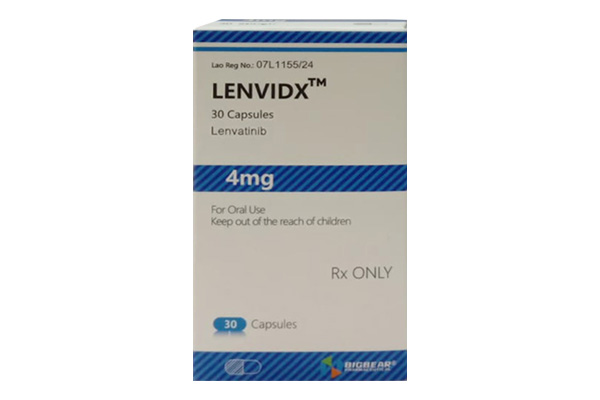
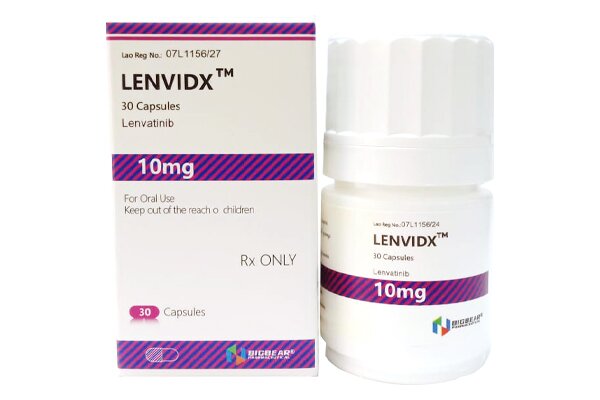
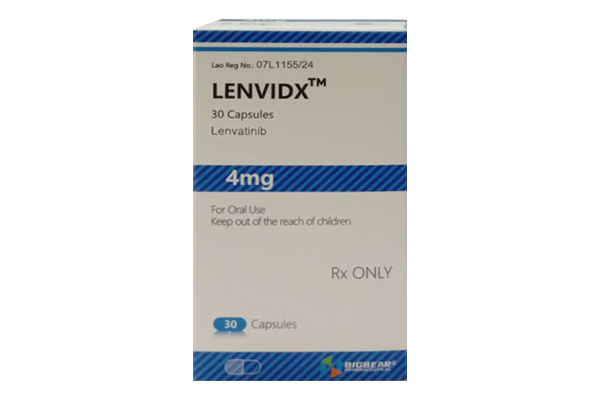
Lenvatinib blocks tumor angiogenesis and the signaling pathways for tumor cell proliferation, thereby exerting an anti-tumor effect.

 AuthenticGuaranteeFast DeliveryPrivacy
 Lenvatinib is an anti-tumor targeted drug that exerts its effect by inhibiting the activity of specific proteins. Its primary action is to inhibit three key proteins in the vascular endothelial growth factor (VEGF) receptor family: VEGFR1, VEGFR2, and VEGFR3.
Unresectable hepatocellular carcinoma (HCC) in patients who have not received prior systemic therapy. "Unresectable" refers to tumors that are anatomically unsuitable or too large to be directly removed by surgery.
Key clinical trials did not include patients with HCC who had received local regional therapy (e.g., interventional therapy, radiotherapy). Therefore, sufficient research data to support the use of this drug in this patient population is currently lacking.
This medication must be prescribed and guided by a professional physician before use; do not self-administer.
Pediatric patients, elderly or frail individuals, and breastfeeding women must consult a professional physician before use; do not self-administer.
The dosing regimen is determined based on the patient’s body weight:
< 60 kg: 8 mg of lenvatinib once daily.
≥ 60 kg: 12 mg of lenvatinib once daily.
It is recommended to take the medication at a fixed time each day, with or without food, as this does not affect efficacy.
The capsules must be swallowed whole; do not crush or chew them.
For patients with swallowing difficulties: Place the capsule in a glass, add one tablespoon of water or apple juice, and mix to form a suspension. Soak the capsule for at least 10 minutes, then stir continuously for 3 minutes or more until the shell is completely dissolved before drinking. After consuming the solution, add another tablespoon of water or apple juice to the glass, stir, and drink the remaining liquid to ensure the full dose is taken.
Do not use if the appearance of lenvatinib has changed.
Keep out of reach of children.
Regular monitoring of liver and renal function is required during treatment. If signs of hepatic or renal failure (e.g., significant reduction in urine output, generalized edema) occur, initiate immediate medical intervention.
Females of childbearing potential must use dual contraception from the start of treatment until at least 1 month after discontinuation. This includes both hormonal contraceptives (e.g., short-acting oral contraceptives) and barrier methods (e.g., condoms), as the effect of this drug on the efficacy of hormonal contraceptives is not yet confirmed.
No safety data is available for use in pregnant women. Use during pregnancy is contraindicated unless the potential benefit to the mother outweighs the risk to the fetus, as assessed by a physician.
Although it is unknown whether the drug is excreted in human milk, breastfeeding is contraindicated during treatment. Discontinue breastfeeding for at least 7 days after the last dose.
This drug may affect fertility in both males and females, particularly with long-term use, potentially reducing pregnancy rates (the degree of impact is still under investigation).
Use is not recommended in patients with severely reduced renal function (documented renal insufficiency).
Patients with mild or moderate hepatic impairment must meet both conditions to use this medication:
1.Use only after evaluation and approval by a physician.
2.Undergo regular monitoring of liver function during treatment (generally requiring monthly blood tests).
No relevant research data exists for adolescents and children under 18 years; use is contraindicated.
No dose adjustment is required for patients under 75 years. Use in patients 75 years and older requires special caution due to limited research data.
Based on clinical trial observations, possible side effects of lenvatinib include, but are not limited to:
Hypertension
Proteinuria (foamy urine)
Renal dysfunction (may progress to renal failure in severe cases)
Cardiac events (e.g., heart failure with chest tightness and shortness of breath; cardiogenic shock with sudden blood pressure drop)
Hepatic dysfunction (manifested as jaundice, elevated bilirubin and transaminases)
Vascular occlusion (e.g., arterial thrombosis with sudden chest pain)
Severe gastrointestinal reactions (e.g., gastrointestinal bleeding, perforation)
Electrolyte disturbances (e.g., hypocalcemia with numbness in hands and feet)
Note: Data from different clinical studies may vary, and the incidence and severity of side effects in actual treatment are individual-specific.
The following two groups of patients must never use this medication:
1.Patients with a known hypersensitivity to any ingredient of this product (the specific ingredients are listed on the package).
2.Breastfeeding women (including during breastfeeding and within one week after drug discontinuation).
Report any discomfort to your attending physician immediately during treatment, especially the following conditions:
Severe persistent headache with blurred vision (may indicate hypertensive crisis)
Significant reduction in urine output within 24 hours (may signal worsening renal function)
Hematemesis or melena (gastrointestinal bleeding)
Sudden chest pain or dyspnea (possible thrombosis)
The physician will determine whether dose reduction, temporary interruption, or permanent discontinuation is required based on the severity of symptoms, and provide appropriate management.
If any issues arise, please contact us immediately.
Email:haiousales@gmail.com

Copyright2024@ BIGBEAR All right reserved BIGBEAR


