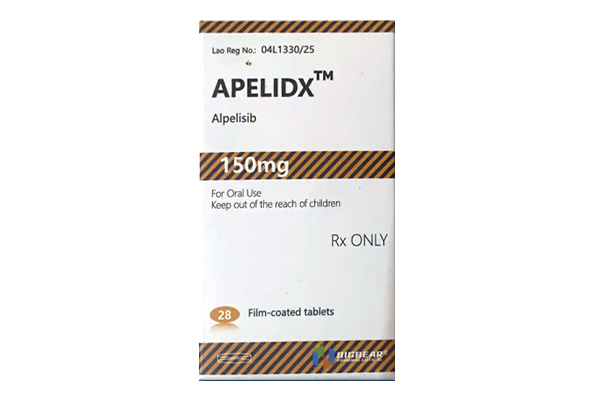
Although Alpelisib has shown significant inhibitory effects in clinical practice, the high cost of the original branded drug often discourages patients. The legal launch of the generic version by Lao Bear Pharma, which strictly follows manufacturing standards and offers a significantly reduced price, is opening a new door of hope for patients in developing countries worldwide.
How much is Lao Bear Pharma Generic Alpelisib?
Lao Bear Pharma generic Alpelisib is available in specifications of 50mg*28 tablets/box and 150mg*28 tablets/box, priced at approximately $87-$200. The specific price may be affected by various factors and the actual selling price shall prevail.
Common Adverse Reactions and Drug Interactions of Alpelisib
Adverse Reactions
In clinical studies, the most common adverse reactions (incidence ≥20%, including laboratory abnormalities) in patients receiving Piqray (alpelisib) involve multiple systems. These mainly include: elevated blood glucose (hyperglycemia), elevated creatinine levels, diarrhea, rash, decreased lymphocyte count, elevated gamma-glutamyl transferase (GGT), nausea, elevated alanine aminotransferase (ALT), fatigue, decreased hemoglobin, elevated lipase, decreased appetite, stomatitis (mouth ulcers), vomiting, weight loss, decreased blood calcium levels, prolonged activated partial thromboplastin time (aPTT), and alopecia. Patients should remain vigilant about these potential reactions and promptly report any discomfort to medical professionals for early intervention and effective management.
Drug Interactions
Alpelisib may interact with other drugs when used concomitantly, affecting efficacy or increasing toxicity.
CYP3A4 Inducers: Coadministration of alpelisib with strong CYP3A4 inducers (e.g., rifampin, phenytoin) should be avoided, as they decrease the plasma concentration of Piqray and may reduce its anticancer activity.
BCRP Inhibitors: Use of BCRP inhibitors (e.g., certain antivirals, antibiotics) should be avoided in patients treated with alpelisib. If alternative drugs cannot be used, when concomitant use is necessary, patients should be closely monitored for increased adverse reactions.
CYP2C9 Substrates: When alpelisib is coadministered with CYP2C9 substrates (e.g., warfarin), the plasma concentration of these drugs may be decreased, thereby affecting their efficacy. Therefore, the effect of concomitant medication should be closely monitored.
Special Populations: Women are advised not to breastfeed during treatment with alpelisib and for one week after the last dose.
Alpelisib Granted FDA Approval for Rare PROS Syndrome
On April 5, 2022, the U.S. Food and Drug Administration (FDA) granted accelerated approval for another Novartis drug containing the same active ingredient, Vijoice (Alpelisib), based on robust response rate and response duration data. The approved indication is for the treatment of adult and pediatric patients aged 2 years and older with severe manifestations of PIK3CA-Related Overgrowth Spectrum (PROS) who require systemic therapy. Vijoice is also a kinase inhibitor that works by inhibiting the PI3K pathway (primarily the PI3Kα isoform).
PROS is a group of extremely rare disorders characterized by focal, disproportionate overgrowth and vascular malformations, estimated to affect approximately 14 people per million. Vijoice is the first FDA-approved treatment specifically for PROS and is not yet approved outside the United States. The recommended dosage varies by patient age: the recommended dose for adults is 250 mg once daily; the initial dose for pediatric patients (aged 2 to under 18 years) is 50 mg once daily, and for children aged 6 years and older, the dose may be increased to 125 mg once daily after 24 weeks of treatment. The approval of Vijoice marks a milestone breakthrough for patients and families suffering from PROS, a rare disease that previously lacked effective treatment options. Continued approval for this indication may depend on verification of clinical benefit in confirmatory trials.