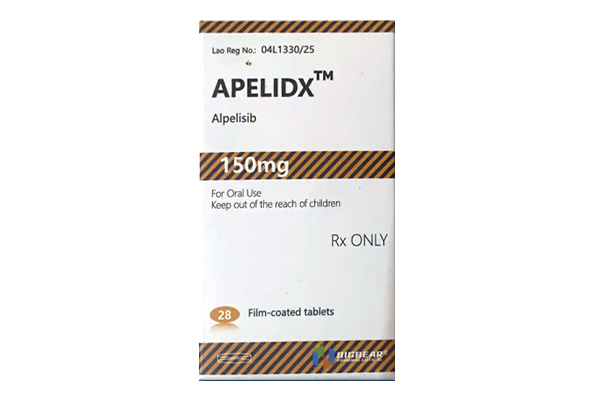
Alpelisib is an antineoplastic agent that selectively inhibits the phosphatidylinositol 3-kinase alpha isoform (PI3Kα).
Alpelisib Contraindications
History of severe hypersensitivity reaction to alpelisib or any component of the formulation.
Alpelisib Warnings and Precautions
1. Severe Hypersensitivity Reactions
Severe hypersensitivity reactions (e.g., anaphylaxis, anaphylactic shock, angioedema) have been reported. Manifestations may include dyspnea, flushing, rash, fever, and tachycardia. If a severe hypersensitivity reaction occurs, permanently discontinue alpelisib and initiate supportive treatment.
2. Skin Effects
Rash (i.e., generalized, macular, maculopapular, papular, or pruritic rash) and severe cutaneous adverse reactions (SCARs) (e.g., erythema multiforme, Stevens-Johnson syndrome) have been reported. Rash was reported in 52% of patients treated with alpelisib; grade 3 rash was reported in 20%. Drug reaction with eosinophilia and systemic symptoms (DRESS) has been reported in postmarketing surveillance. Prophylactic oral antihistamines may reduce the incidence and severity of rash. If rash (any grade) occurs, consider consulting a dermatologist. If signs and symptoms of severe skin reactions occur (e.g., progressive rash, mucosal lesions, fever, lymphadenopathy, flu-like symptoms), interrupt alpelisib therapy, evaluate the etiology, and consult a dermatologist. If SCARs are confirmed, permanently discontinue alpelisib; do not restart treatment in patients who have previously experienced SCARs during alpelisib therapy. If SCARs are not confirmed, dose modification, corticosteroids and/or oral antihistamines, or discontinuation may be needed.
3. Hyperglycemia
Severe hyperglycemia (including ketoacidosis and hyperglycemic hyperosmolar nonketotic syndrome) has been reported, sometimes fatal. In breast cancer patients treated with alpelisib, hyperglycemia was reported in 65%; grade 3 or 4 hyperglycemia was reported in 33% and 3.9%, respectively. Antihyperglycemic agents were used in 87% of patients with hyperglycemia, most commonly metformin alone or in combination with other antihyperglycemic agents. Hyperglycemia was reported in 12% of patients treated for PIK3CA-related overgrowth spectrum (PROS). Assess fasting blood glucose concentration and glycated hemoglobin (HbA1c) before starting treatment, and optimize blood glucose concentrations. Monitor fasting blood glucose at least weekly during the first 2 weeks of treatment, then at least monthly thereafter, and as clinically indicated. More frequent monitoring may be needed in the first few weeks for patients with risk factors for hyperglycemia. Monitor HbA1c every 3 months and as clinically indicated. If hyperglycemia occurs, assess fasting blood glucose as clinically indicated (at least twice weekly) until hyperglycemia resolves. Initiate or optimize antihyperglycemic agents as needed; monitor fasting blood glucose and/or blood glucose concentrations at least weekly for 8 weeks after starting antihyperglycemic therapy, then at least every 2 weeks thereafter, and as clinically indicated. Consider consulting a clinician with expertise in hyperglycemia management. Temporary interruption, dose reduction, or discontinuation may be required. Closely monitor patients with a history of type 2 diabetes mellitus; intensified antihyperglycemic therapy may be required. Safety has not been established in patients with type 1 diabetes mellitus or uncontrolled type 2 diabetes mellitus. Consider pretreatment with metformin before starting alpelisib in combination with fulvestrant based on the patient's hyperglycemia risk factors, gastrointestinal tolerability, and clinical situation.
4. Pneumonitis
Severe pulmonary adverse reactions consistent with acute interstitial pneumonitis and interstitial lung disease (ILD) have been reported. If new or progressive respiratory symptoms occur (e.g., cough, dyspnea, hypoxia, interstitial infiltrates), interrupt alpelisib therapy and evaluate the patient for pneumonitis or other causes of respiratory symptoms. If pneumonitis is confirmed, permanently discontinue alpelisib.
5. Diarrhea or Colitis
Diarrhea has been reported, sometimes severe, leading to dehydration or in some cases acute kidney injury or colitis. Monitor patients for diarrhea and other symptoms of colitis, such as abdominal pain and mucus or blood in stool. If diarrhea occurs, initiate appropriate treatment (e.g., antidiarrheals, fluid replacement). Patients with colitis may require additional treatment such as intestinal-acting and/or systemic corticosteroids. Temporary interruption, dose reduction, or discontinuation of alpelisib may be required.
6. Fetal/Neonatal Morbidity and Mortality
May cause fetal harm. Animal studies show teratogenicity, embryo-fetal mortality, and reduced fetal weight. Avoid pregnancy during treatment. Perform pregnancy testing in females of reproductive potential before starting alpelisib. Females of reproductive potential should use effective contraception during treatment and for ≥1 week after the last dose. Male partners of such females should use condoms and effective contraception during treatment and for ≥1 week after the last dose. If used during pregnancy or if the patient becomes pregnant, apprise the patient of the potential fetal risk.